Featured Post

Comment Wall

Hello everyone. Feel free to use this post to get in touch with me if you have any general comments or questions.

Showing posts with label Wikipedia Trail. Show all posts

Thursday, October 13, 2016

Wikipedia Trail: Dalai Lama to Guru Nanak

File:1st Dalai Lama.jpg
The Dalai Lama, from Wikipedia
I used a quote from the Dalai Lama in a recent Learning Challenge post, so I decided to start there. Our current Dalai Lama is the 14th one, which seems like relatively few for having been around since 1391. The Tibetan word 'lama" corresponds to the Sanskrit word 'guru". I couldn't remember which countries spoke Sanskrit, so I decided to click and find out. It turns out I was very wrong, Sanskrit is the Hindu religious language. It is also the religious language of the Sikhs. Sikh's have a number of gurus, so I clicked on Guru Nanak quite randomly. He lived from 1469 to 1539, and he was the founder of Sikhism. Lucky guess on my part, the list was alphabetical.

Wikipedia Trail: Hansel & Gretel to Napoleon
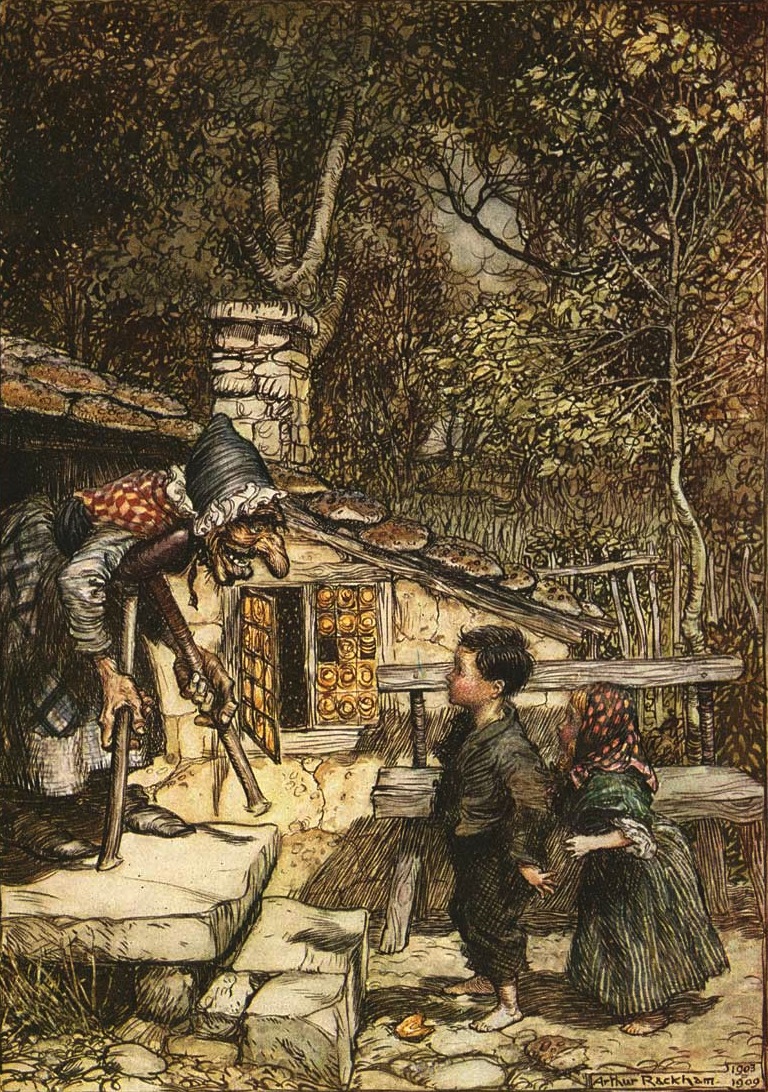
Hansel and Gretel, from Wikipedia
I started my trail at Hansel and Gretel this week. There is a joke to be made about that, but I'm too tired to think about it right now. It's shockingly recent to me, published in 1812 by The Brothers Grimm. I wanted to probe their dark minds, so I clicked there next and learned that they are from Hanau, Germany and that their stories were used a propaganda by the Third Reich. I clicked on the happier option. Hanau was first mentioned in literature in 1143. The town was destroyed by Napoleon in 1813, after which it was rebuilt. Of course, the first thing I checked was Napoleon's height. he was 5'6", average for his time. What a shame.

Monday, October 3, 2016

Wikipedia Trails: The Monkey King to Yoga
Two female yoginis
Yogis, from Wikipedia
The Monkey King, or Sun Wukong, is a mythical figure created during the Song Dynasty. He is a very strong and smart character, much like my favorite charcacter from the Ramayana, Hanuman. Some scholars claim Hanuman was an influence on the Monkey King, and I believe it. Hanuman is worshipped by many, but I thought his worship by Yogis was the most surprising. Most simply, Yogis are people who practice yoga. Yoga is more than just physical movements. I also found out it involves mental and spiritual practices.

Monday, September 26, 2016

Wikipedia Trails: Brer Rabbit to the IRS

The IRS, from Wikipedia
I began this week at Brer Rabbit, the main focus of the story I read this week. Brer Rabbit is inspired by African and Cherokee traditions, but those who are familiar with him are probably familiar with him due to his adaptation by Disney. Disney is the secod largest media company in the world, making $52.46 Billion dollars of revenue in 2015. They are second only to Comcast. Comcast is the largest cable television provider in the US, and well known for having some of the lowest customer satisfaction ratings of all corporations and agencies, even behind the Internal Revenue Service. The IRS, as we all know, is responsible for collecting taxes in the United States.

Sunday, September 25, 2016

Wikipedia Trail: Aladdin to Henry IV

Aladdin being trapped by the Sorcerer, from Wikipedia
I began this week with Aladdin, who was the focus of part of my reading this week. I found that his story was added to 1001 Arabian Nights by Antoine Galland in the 18th century. He was a French archaeologist focused on the Islamic world. He did some work for the French East India Company, a large trading conglomerate. It was first founded by Henry IV, the French King from 1589 to 1610. Thanks for reading with me this week.

Sunday, September 11, 2016

Wikipedia Trails: Sindbad to René Descartes

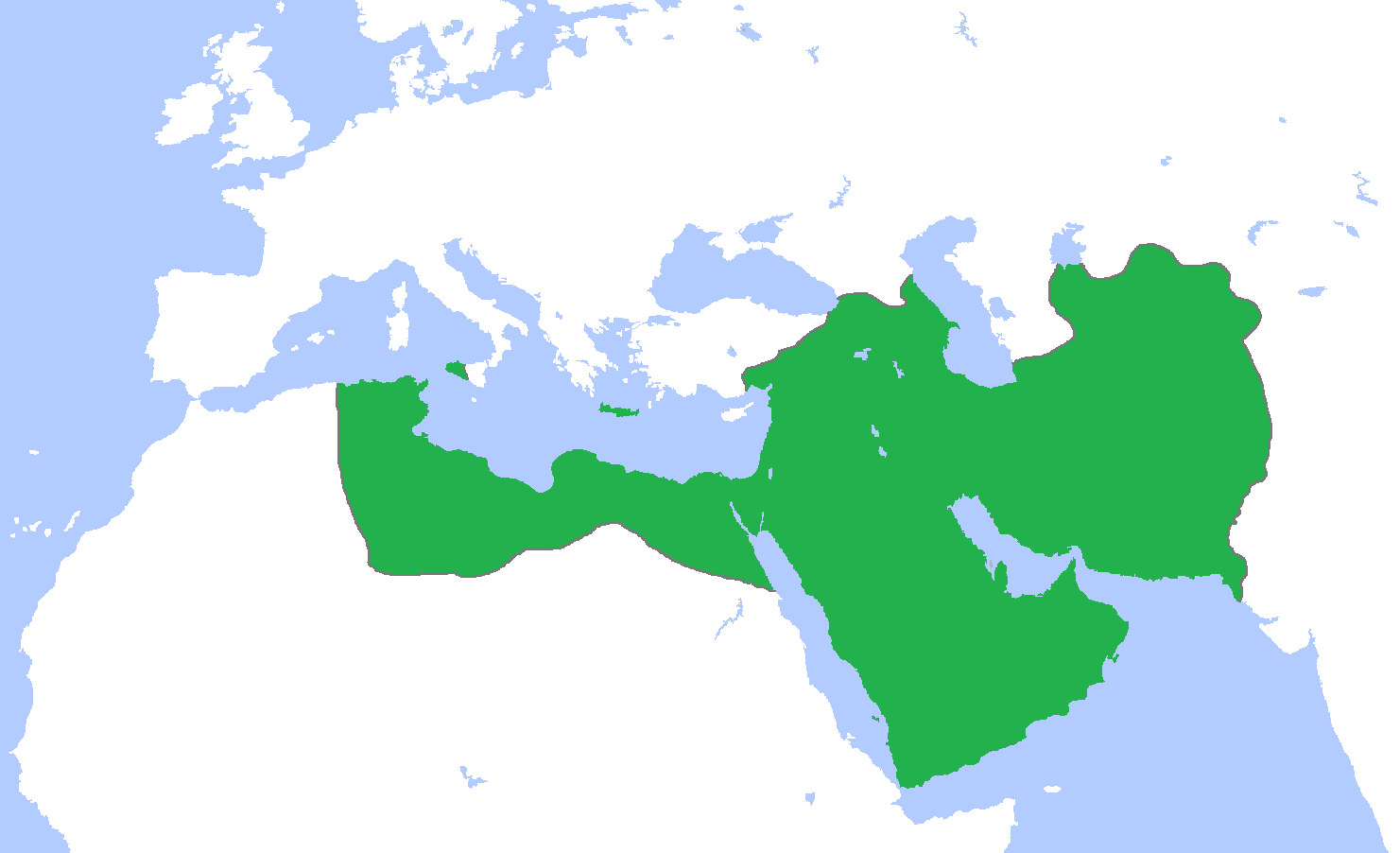
I began at the page for the main character of my reading this week, Sindbad the Sailor. This story took place during the Abbasid Caliphate, which sounded very serious and interesting so I researched it next.
The extent of the Abbasid Caliphate, from Wikipedia
This Caliphate coming to power coincided with the beginning of the Islamic Golden Age, which let to a number of advancements in science and math, among other things. Algebra is considered by some to have been developed during this period. Another person who made significant advancements in Algebra was RenĂ© Descartes, who I discovered is responsible for the Cartesian Coordinate System - the (x,y) graphs that we are all so used to today. Thanks for reading. 
Friday, September 9, 2016

Wikipedia Trails: Homer to Tower of Silence

Bust of Homer, from Wikipedia
To start my research this week, I clicked on the Wikipedia page for Homer - the author of the Iliad. Much like Aesop, Homer may have been a hostage or slave of the Greeks. Something about that experience must inspire people to write. I saw that one of the ways that scholars were estimating when Homer was alive was comparing him to actions taken by Xerxes I, so I clicked through to that page next (also because I recognized him as the villain from 300). Xerxes was evidently a Zoroastrian, which implied to me that he did not actually consider himself a God. Reading about the Zoroastrian burial practices led me to a morbid page, regarding Towers of Silence. Since Zoroastrians believe that bodies must be disposed of to prevent invasions by Demons that can transfer to the living. The method that some follow is to place bodies on top of a tower, where the flesh is eaten by carrion birds, and after about a year, the bones of the dead are disintegrated in a mixture of lime and water.

Friday, September 2, 2016

Wikipedia Trails: Hans Christian Andersen to Vertical Axis Wind Turbine

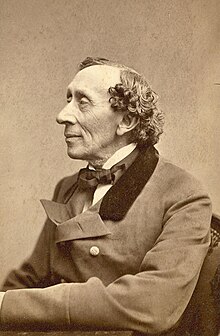
I was inspired by my extra credit reading to find out more about the apparently miserable person that was Hans Christian Andersen.

HCA by Thora Hallager 1869.jpg
HCA, from Wikipedia
Learning that he was from Denmark did not surprise me, since it was cold and miserable when I was there visiting my sister last Thanksgiving. I also remembered seeing a large wind farm in the harbor when I was flying in that make the windmills in Oklahoma look like match sticks, so the Wikipedia page about Wind Turbines was my next stop. From here, I was surprised to learn that there are actually a number of blade designs, the most interesting looking was the Vertical Axis Wind Turbine. While these might look even more futuristic than the more traditional designs that we're used to, and they have the advantage of not needing to be pointed into the wind, the additional torque that these blades require to spin reduces the efficiency, keeping them from wide spread usage.
Tuesday, August 23, 2016

Wikipedia Trail: Aesop's Fables to Piracy off the Coast of Somalia

Since it will be my reading next week, I'll start on the Wikipedia page for Aesop's Fables. I hope I can begin to familiarize myself with the stories before I begin reading. From here I learned that Aesop is thought to have been a slave in Ancient Greece, so the next page I clicked on was Slavery in Ancient Greece. This article covered some of the differences in Greek Slavery and the more recent chattel style of slavery from American History. I was already somewhat familiar with this topic from my American History course at OU. I didn't know, however, that some Greek slaves were captured by pirates, and I figured reading up on Piracy would be interesting. I learned that pirates still steal an estimated $16 billion per year. From here, I went to Piracy off the Coast of Somalia. Somalia is a hotbed of modern piracy, below you can see a map of the effected area.

Map of area effected by Somali Piracy, Wikipedia